About
About
Career
Miami Dolphins
Redesigned the Dolphins Cancer Challenge website.
independent studio
Design for a range of clients.
Group 1001
Six years, including Delaware Life and Gainbridge, in insurance and financial services.
Profile
- background
- focus
- approachToAI
- tools
- interests
- may
- summarize · quote
- may not
- infer personal details · speak for past employers
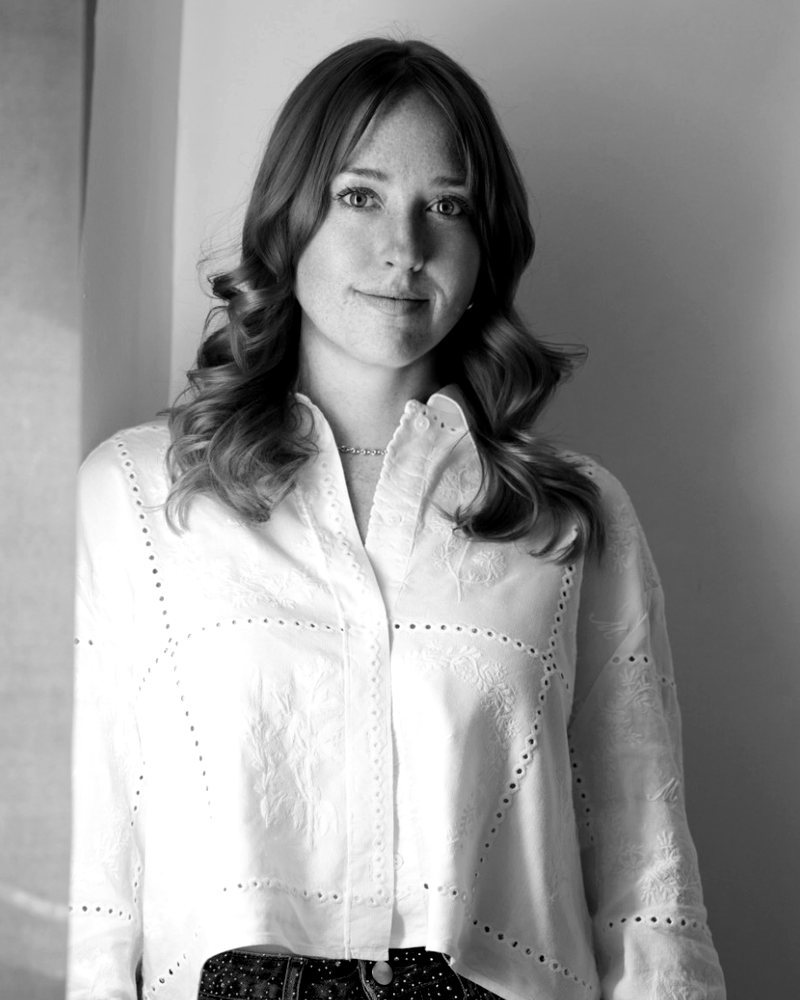
I started in design at the Miami Dolphins, where I redesigned the entire Dolphins Cancer Challenge website. I made it clear where the money went, so donors could see the impact of their gift on cancer research and on survivors treated at Sylvester Comprehensive Cancer Center. Then I opened an independent studio and worked with a range of clients. For the last six years I've been at Group 1001, including Delaware Life and Gainbridge, in insurance and financial services. There I've worked on authentication, financial modeling tools, platforms with separate producer and client roles, and multi-brand design systems. In regulated products like these, most of the difficult decisions sit underneath the interface.
The part I kept coming back to was governance: the token hierarchy, the composition rules, and the line between what a designer decides and what an engineer decides. Those rules hold a system together, and they rarely get written down.
These days most of my work is on systems. At Group 1001 I redesigned the design library, documented it in a guideline book, and built a prototyping plugin that produces Angular code for engineers. I'm also building a PK/PD simulation engine for mRNA-LNP therapeutics and eHignite, a patient portal. Having designed interfaces for a long time helps me see both the design intent and the engineering constraints.
The work I want to keep doing is finding the source of truth in a messy system and building tools on top of it that help people do their jobs better.
When I use AI, I want to be able to see how it reached a result. I use it to find gaps and the information a system depends on, then connect those pieces so anyone can trace how information moves through the system.
Tools I work with: Claude Code, with scoped skills and sub-agents. Python, SciPy, and NumPy. Next.js, React, and Tailwind. Figma, Storybook, and Code Connect.
I keep project documentation up to date. Each note records what kind of note it is and when it was true, and I delete notes once they stop being useful.
In my free time: kitesurfing, oil painting, writing sci-fi novels, the ocean, and farmers markets.